

 See My Latest Article on HelloNation
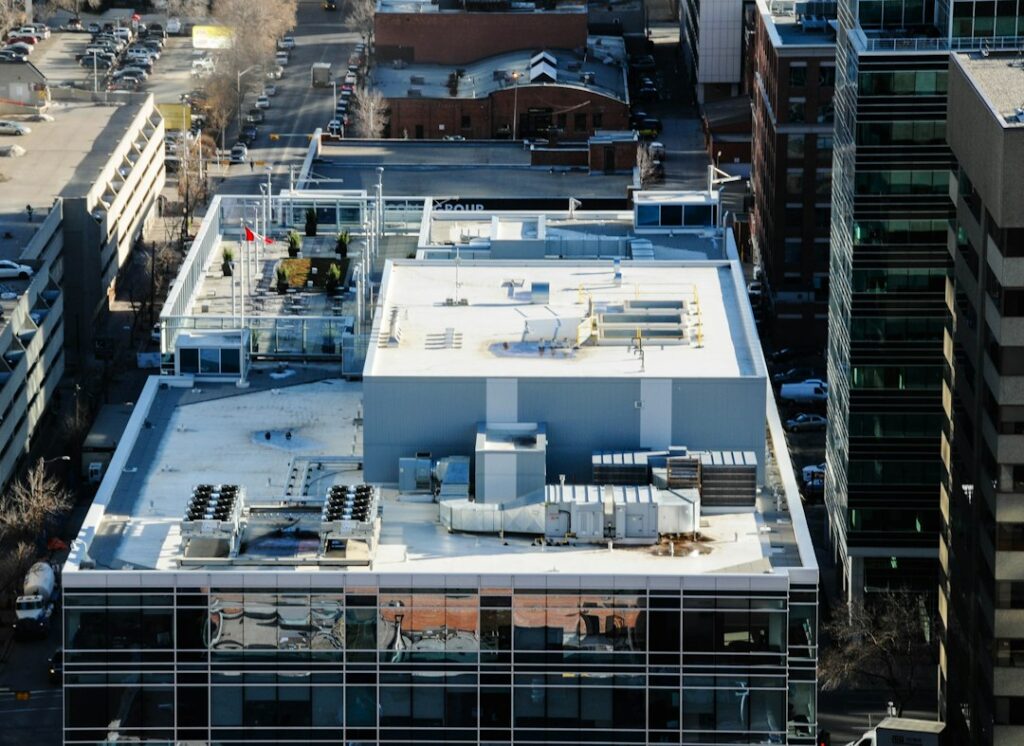
Office buildings rely on heating, ventilation, and air-conditioning systems for far more than temperature control. Regular HVAC maintenance supports indoor comfort, protects building equipment, helps control operating costs, and reduces the chance of disruptive failures during extreme weather.
In New Castle, DE, commercial systems commonly work through cold winters, humid summers, and changing conditions during spring and fall. That seasonal workload makes planned maintenance especially useful for offices that need dependable conditions for employees, visitors, equipment, and stored materials.
How does regular HVAC maintenance improve office comfort?
Routine maintenance helps an HVAC system deliver more consistent temperatures throughout a building. Technicians can identify airflow restrictions, worn components, control problems, and uneven distribution before those issues create uncomfortable rooms.
Office comfort problems often appear as:
- Rooms that are consistently warmer or colder than surrounding areas
- Weak airflow from supply vents
- Frequent thermostat adjustments
- Excessive humidity during warm weather
- Drafts near windows, doors, or ductwork
- Temperature changes between occupied and unoccupied areas
A building may have several zones, air-handling units, rooftop systems, exhaust fans, and thermostatic controls. If one part of that network is not working correctly, occupants may notice discomfort even while the main equipment appears to be running.
Maintenance also helps confirm that thermostats and building controls are communicating properly. Incorrect schedules, faulty sensors, or poorly calibrated controls can cause unnecessary heating or cooling without improving comfort.
Can preventive maintenance reduce HVAC operating costs?
It can reduce avoidable energy use, although it does not guarantee lower utility bills in every building. A clean, properly adjusted system generally has an easier time moving air and transferring heat than one operating with blocked filters, dirty coils, slipping belts, or restricted airflow.
Common maintenance tasks that affect efficiency include:
- Replacing or servicing air filters according to building conditions
- Cleaning coils and drain pans
- Checking fan belts, bearings, and motors
- Inspecting dampers and outdoor-air controls
- Testing thermostats and sensors
- Reviewing refrigerant performance where applicable
- Confirming that electrical connections are secure
- Checking ductwork and accessible insulation for damage
An office with construction dust, paper debris, high occupancy, or frequent door opening may load filters more quickly than a lightly occupied facility. A fixed calendar can be useful, but maintenance intervals should also reflect actual building use and indoor air conditions.
Energy savings should be viewed as one benefit among several. The larger financial advantage often comes from preventing a small problem from becoming a major repair or an emergency shutdown.
Why does maintenance help prevent unexpected breakdowns?
HVAC failures frequently develop through warning signs rather than appearing without cause. Unusual sounds, repeated cycling, slow temperature recovery, water near equipment, or a burning odor may indicate developing trouble.
Planned inspections give maintenance personnel an opportunity to identify conditions such as:
- Corroded electrical components
- Loose wiring or deteriorated connections
- Refrigerant leaks
- Blocked condensate drains
- Failing motors
- Cracked heat-exchanger components
- Damaged insulation
- Excessive vibration
- Failing control boards or sensors
Addressing these conditions during planned building work is usually less disruptive than responding after a system stops operating. A failure during a hot, humid period can affect employee comfort and sensitive office equipment. A heating problem during a cold spell can create frozen-pipe risks, building access concerns, and unsafe indoor conditions.
Preventive maintenance cannot eliminate every breakdown. Older equipment, severe weather, power problems, and hidden defects can still lead to failures. It does, however, improve the chances that problems are discovered while there is time to plan corrective work.
How does HVAC maintenance affect indoor air quality?
HVAC equipment does not replace proper ventilation practices, but its condition directly affects how air moves through an office. Dirty filters, contaminated drain pans, blocked outdoor-air intakes, and poorly maintained duct components can contribute to unpleasant odors, excess moisture, and uneven ventilation.
A maintenance program should consider:
- Filter condition and proper fit
- Outdoor-air intake and exhaust operation
- Moisture around coils and drain pans
- Visible dirt or biological growth on accessible components
- Airflow in conference rooms and densely occupied spaces
- Exhaust systems serving restrooms or utility areas
- Signs of persistent humidity or condensation

A filter that is too restrictive for the equipment can also create problems by reducing airflow and increasing fan strain. The correct filter depends on the system design, equipment capacity, and building conditions—not simply on selecting the highest filtration rating available.
Poor indoor air quality may have many causes, including cleaning products, furnishings, plumbing leaks, outdoor pollution, and inadequate ventilation. HVAC maintenance is one part of a broader building-health strategy rather than a complete solution by itself.
Does regular service extend the life of commercial HVAC equipment?
Proper maintenance can help equipment reach its expected service life by reducing unnecessary strain. Motors, compressors, fans, electrical parts, and heat-transfer surfaces are more likely to operate reliably when they are clean, lubricated where appropriate, correctly adjusted, and not forced to compensate for airflow restrictions.
For commercial property managers, equipment history is particularly valuable. Maintenance records can show:
- Repeated repairs involving the same component
- Changes in energy use or operating patterns
- The age and condition of major equipment
- Seasonal performance concerns
- Parts that should be kept available
- Whether replacement planning should begin
This information supports more rational capital planning. Replacing equipment is a major decision, and regular maintenance records can help distinguish between a correctable maintenance issue and a system that is reaching the end of its practical service life.
What seasonal issues should office buildings watch for?
Seasonal preparation is useful because HVAC systems often experience their heaviest demand during the first major heat wave or cold spell.
Before the cooling season, building maintenance should verify condensate drainage, outdoor-air operation, refrigerant performance, coil condition, fan operation, and thermostat schedules. Humid weather makes drain and moisture management especially important.
Before the heating season, inspections should include burners or heating elements, safety controls, heat exchangers where applicable, belts, filters, combustion-air arrangements, and carbon monoxide protection in areas served by fuel-burning equipment.
During transitional seasons, controls and schedules deserve attention. Buildings may need heating in the morning and cooling later the same day. Poorly adjusted changeover settings can create complaints, wasted energy, or simultaneous heating and cooling.
How often should commercial HVAC maintenance be performed?
There is no single schedule suitable for every office building. Many commercial systems benefit from inspections at least twice a year, typically before the main heating and cooling seasons. High-use buildings, facilities with older equipment, and properties exposed to dust or heavy occupancy may require more frequent checks.
The maintenance plan should account for:
- Equipment type and age
- Building size and operating hours
- Occupancy levels
- Indoor air-quality concerns
- Manufacturer requirements
- Local weather exposure
- Critical rooms or equipment
- History of breakdowns and repairs
Building staff should document filter changes, inspections, unusual conditions, repairs, and control adjustments. Clear records reduce duplicated work and help identify patterns that may otherwise be overlooked.
Which HVAC warning signs should not be ignored?
A commercial HVAC issue deserves prompt attention when it affects safety, comfort, moisture control, or reliable operation. Warning signs include water leaks, burning smells, refrigerant concerns, repeated circuit trips, loud grinding, persistent icing, unusual vibration, or a heating system that produces unsafe combustion symptoms.
Work involving electrical systems, refrigerants, combustion equipment, elevated rooftop units, or suspected hazardous conditions should be handled by qualified personnel. Office occupants should not remove safety covers, bypass controls, or attempt repairs on energized equipment.
Regular HVAC maintenance is best understood as part of responsible commercial property care. It supports steadier comfort, cleaner operation, better planning, and fewer avoidable disruptions while helping building owners and managers make informed decisions about repairs and eventual equipment replacement.