

 See My Latest Article on HelloNation
What Is Commercial Pressure Washing and Why Is It Needed?
Commercial pressure washing uses high-pressure water sprays to remove dirt, oil, mildew, graffiti, and other residue from business exteriors, walkways, and other hard surfaces. For properties around New Castle, DE, periodic washing supports a welcoming appearance and may extend the lifespan of building materials. Increased rainfall, spring pollen, winter deicing agents, and high humidity add to the area’s maintenance needs; regular cleaning helps address grime and buildup before it causes staining or surface damage.
Which Areas of a Commercial Property Benefit Most From Pressure Washing?
Pressure washing is most commonly applied to:
- Building façades (brick, block, metal, glass)
- Parking lots and garages
- Sidewalks and entryways
- Dumpsters, loading docks, and service yard areas
- Outdoor seating or communal gathering zones
Local sidewalks and entryways in New Castle accumulate sand, grit, and organic debris, especially after storms or snow. High-traffic parking spots often show oil stains and tire marks that pressure washing can help remove. Service areas behind commercial buildings often need periodic deep-cleaning to reduce odors and slippery patches caused by spilled products or organic matter.
How Often Should Commercial Properties in New Castle Be Pressure Washed?
Frequency depends on use, location, and exposure. In most of New Castle, heavily trafficked walkways, retail façades, and customer entrances may require cleaning every few months, particularly in the spring and after periods of snow and deicing salt use. Back-of-house areas, such as loading docks, can often go longer but benefit from at least an annual cleaning.
Certain local factors can affect timing:
- Properties near main roads may see extra dirt and grime due to vehicle exhaust.
- Shaded, tree-lined properties attract green algae growth after wet seasons.
- Commercial kitchens or food facilities may need more frequent exterior cleaning due to grease and residue.
What Are the Risks and Limitations of Pressure Washing?
While highly effective, pressure washing can cause accidental damage, especially when incorrect pressure settings or chemicals are used. For example:
- Excessive pressure can etch concrete or force moisture behind siding.
- Wrong detergents can harm nearby landscaping.
- Some historic stone or delicate masonry requires gentler methods.
- Storm drains should be protected to avoid runoff of pollutants.
In New Castle, regulations also limit where wash water may go to protect local waterways. Always double-check city guidelines on runoff and approved cleaning chemicals, particularly for properties near parks or streams.
Are There Environmental or Local Regulatory Considerations?
Runoff from commercial pressure washing—containing detergents, paint, or organic waste—should not enter storm drains in the city. Local ordinances may require barriers or water reclamation systems, especially for large parking lots or projects near sensitive areas. Seasonal pollen buildup is common around local properties, making spring a preferred time for cleaning, but chemical use must always comply with area stormwater protection plans.
Trained maintenance staff should regularly review local requirements to ensure compliance. Information is available through city and county environmental services for New Castle.
What Type of Equipment Is Typically Used?

Commercial-grade pressure washers produce much higher water pressure than residential units, often with both hot and cold water capability. Hot water options are particularly useful for local businesses managing grease, food waste, or chewing gum, which are common issues in restaurant and retail zones.
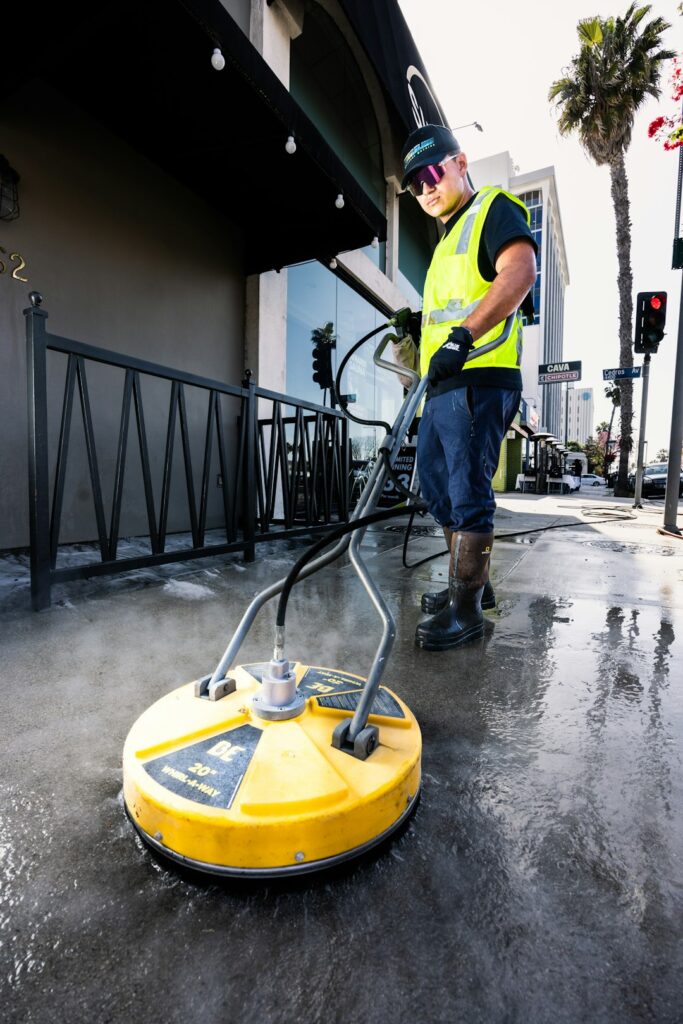
Attachments, such as surface cleaners for flat areas and extension wands for building façades, help control the spray and avoid streaking. Proper nozzles and gentle detergents allow for cleaning everything from concrete to metal without damage. Most contractors also use squeegees, brooms, and warning signage to keep areas safe during work.
Can Commercial Pressure Washing Be Done Year-Round in the Area?
While pressure washing is theoretically possible year-round, freezing winter temperatures in New Castle make late fall through early spring more challenging. Ice risk is especially high on sidewalks, parking lots, and stairs, so property owners often schedule major exterior cleaning after the last frost date or in late summer/early fall to prepare surfaces for leaf drop and winter salt.
For necessary winter maintenance, localized spot cleaning can be done with heated water, but contractors must be diligent with ice prevention and post-cleaning drying.
What Should Property Managers Know About Safety?
Safety is a key consideration for any large-scale pressure washing project. High-pressure water can injure people and damage nearby property if not handled carefully. Workers should use personal protective equipment (PPE) such as gloves, goggles, and closed footwear.
For public-facing sites in New Castle, warning signage and barriers keep pedestrian traffic away from work zones, minimizing slip hazards and accidental spray exposure. Scheduling work during off-peak hours, like early mornings or weekends, helps reduce risk.
Are There Common Misconceptions?
Some property managers assume all stains or buildup require maximum pressure. In fact, the correct technique often relies more on the right detergent and patience than force. For historic structures or older concrete, low-pressure or even soft washing methods may be safer.
Another common misconception: pressure washing is a one-time fix. Seasonal cleaning is often necessary to stay ahead of environmental and usage-related buildup, especially in areas subject to pollen, road grit, and heavy use.
Final Practical Tips for Local Properties
For business facilities and multi-use complexes, integrating pressure washing into a regular maintenance schedule offers long-term benefits:
- Keep records of all cleaning to monitor effectiveness and required frequency
- Inspect exterior surfaces after storms, leaf drop, or nearby construction—these all accelerate buildup
- Communicate with tenants or users about scheduled cleanings for maximum cooperation and safety
- Always confirm compliance with city ordinances regarding runoff and chemical use
Thoughtful planning, knowledge of local conditions, and proper equipment ensure that commercial properties throughout New Castle stay clean, safe, and welcoming for workers, tenants, and visitors.