

 See My Latest Article on HelloNation
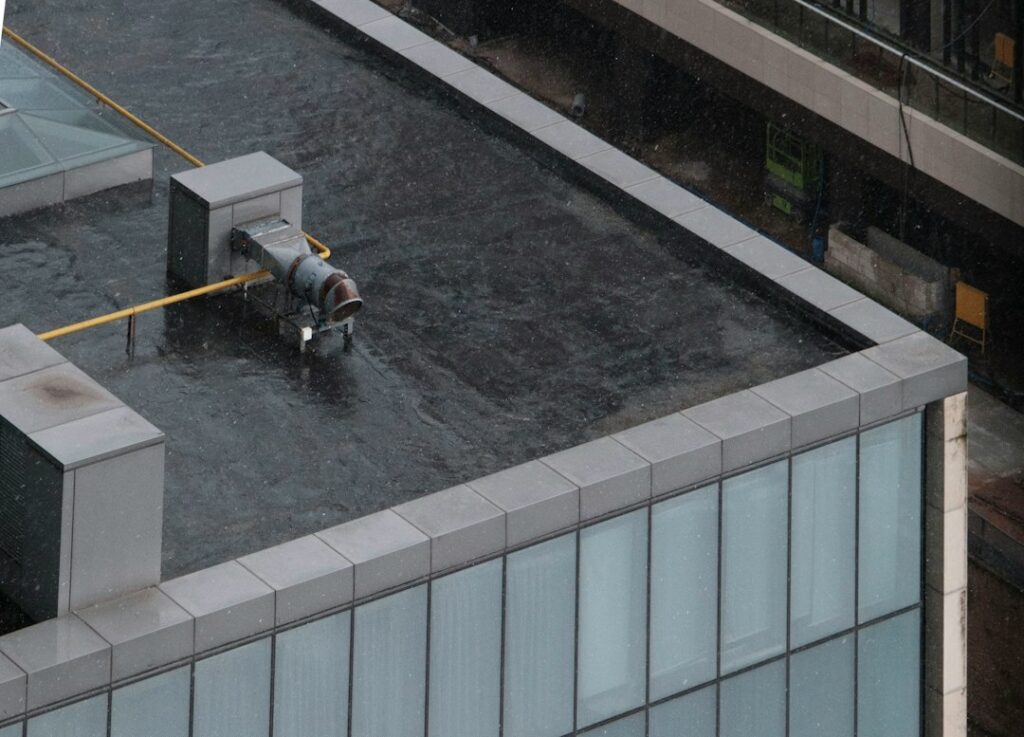
Commercial water damage rarely begins with a dramatic flood. More often, it develops through a small roof leak, blocked drain, failed seal, or unnoticed plumbing problem that allows moisture to spread over time. In commercial properties, early detection matters because water can damage building materials, electrical systems, inventory, equipment, documents, and occupied work areas.
What are the earliest signs of water damage?
The first signs are often changes in appearance, smell, or building performance rather than standing water. A routine inspection should look beyond obvious leaks.
Common warning signs include:
- Brown, yellow, or gray ceiling stains
- Peeling paint, bubbling drywall, or warped wall panels
- Soft flooring, swollen baseboards, or buckled tiles
- Musty odors in storage rooms, stairwells, or mechanical spaces
- Condensation around pipes, ducts, windows, or rooftop equipment
- Rust on structural connections, shelving, or mechanical components
- Mold-like growth in damp or poorly ventilated areas
- Unexplained increases in water use
- Dripping sounds above ceilings or inside walls
- Doors or windows that begin sticking after wet weather
A stain that appears dry may still indicate an active problem. Water can travel along roof decking, pipes, insulation, and framing before becoming visible several feet away from the original entry point.
Which parts of a commercial property should be inspected first?
The roof, drainage system, plumbing, exterior walls, and mechanical areas deserve the closest attention because they are common pathways for moisture.
Roof and rooftop equipment
Inspect roof surfaces for ponding water, damaged membranes, open seams, loose flashing, punctures, and debris near drains. Pay particular attention to areas around vents, skylights, roof hatches, curbs, and equipment supports.
Commercial roofs may conceal problems beneath insulation or protective coverings. A small opening can allow moisture to spread before a ceiling stain appears inside.
Gutters, downspouts, and roof drains
Leaves, sediment, and windblown debris can block drainage. Water that cannot leave the roof may collect around seams and penetrations or overflow against exterior walls.
Downspouts should discharge water far enough away from foundations and entrances to prevent repeated saturation. Extensions, splash blocks, and underground drainage connections should also be checked for blockage or displacement.
Plumbing and mechanical rooms
Inspect supply lines, valves, water heaters, pumps, boilers, cooling equipment, condensate lines, and floor drains. Look for corrosion, mineral deposits, damp insulation, cracked fittings, and active condensation.
Mechanical rooms are especially important because they may contain several water-producing systems in a confined space. A failed condensate line or leaking valve can damage equipment and spread water into adjacent areas.
Exterior walls, windows, and doors
Check caulking, masonry joints, wall penetrations, window frames, loading areas, and door thresholds. Wind-driven rain can enter through small gaps that may not leak during ordinary rainfall.
Water stains around windows do not always mean the window itself is defective. The source may be damaged flashing or an opening higher on the wall.
How does local weather affect commercial water damage risk?
Properties in New Castle experience a mix of rain, strong storms, freezing temperatures, snow, and repeated freeze-thaw cycles. These conditions can stress roofing materials, masonry, pavement, sealants, and drainage systems.
Heavy rain can overwhelm roof drains and surface drainage. Freezing weather can expand water trapped in cracks, seams, and joints. When temperatures rise, weakened materials may allow water to enter. Snow and ice can also conceal blocked drains or damaged flashing until melting begins.
Older commercial buildings may face additional risk from aging roof assemblies, patched masonry, outdated plumbing, or drainage systems that were designed for different site conditions. Properties near low-lying areas or with large paved surfaces may receive concentrated runoff during storms.
Stormwater responsibilities can vary by property, easement, development agreement, and local maintenance arrangement. Building managers should know which party is responsible for private inlets, detention areas, drainage swales, underground piping, and other stormwater features.
What maintenance prevents water damage?
Prevention depends on scheduled inspections rather than waiting for visible leaks. A useful maintenance plan should include documented checks after major storms and at regular intervals throughout the year.
Practical measures include:
- Clear roof drains, gutters, scuppers, and downspouts before wet seasons
- Remove leaves, trash, and sediment from inlets and drainage structures
- Inspect roof membranes, flashing, seams, and penetrations
- Seal gaps around pipes, conduits, vents, windows, and doors
- Test sump pumps and confirm that backup power or alarms function where provided
- Keep storage, pallets, and equipment away from walls and floor drains
- Maintain adequate ventilation in humid storage and mechanical areas
- Repair cracked pavement or grading problems that direct water toward the building
- Check exposed plumbing before freezing weather
- Keep floor drains clear and protected from debris
- Record leaks, repairs, recurring stains, and areas that require monitoring

Vegetation should also be managed around foundations, drainage paths, and stormwater facilities. Roots, fallen branches, and accumulated organic material can interfere with drainage or conceal defects.
How can property managers find hidden leaks?
Hidden leaks are easier to identify when inspections are systematic. Compare water meter readings during periods when the property is unoccupied or using very little water. A continued increase may indicate a leaking fixture, underground line, or plumbing failure.
Moisture meters, infrared scans, and inspection cameras can help locate damp materials behind walls, above ceilings, or beneath flooring. These tools do not replace a physical inspection, but they can help narrow the search when the source is not visible.
Pay attention to repeated problems. If a ceiling stain returns after every storm, the issue may involve roof drainage or flashing rather than interior plumbing. If moisture appears near an air-handling system, condensation or a blocked drain may be involved.
What should staff do when a leak is discovered?
The first priority is to protect people and reduce additional damage. Keep occupants away from wet electrical equipment, sagging ceilings, slippery floors, and areas with possible structural damage.
If it can be done safely, isolate the source by closing the appropriate water valve or shutting down affected equipment. Move portable inventory and records away from the wet area, but do not handle materials that may be contaminated or electrically unsafe.
Document the location, time, weather conditions, visible damage, and actions taken. Photographs and written records can help identify recurring failures and support insurance or compliance documentation.
Wet materials should be dried promptly, but fans should not be used where electrical hazards, sewage, chemical contamination, or extensive mold growth may be present. Water from a sanitary drain backup, flood, or unknown source requires additional precautions because it may contain harmful contaminants.
Which problems require immediate specialized attention?
Immediate evaluation is warranted when water contacts electrical systems, enters occupied areas, affects structural components, comes from a sewage or chemical source, or continues spreading despite shutoff efforts.
Professional assessment may also be necessary for suspected mold, saturated insulation, concealed moisture, roof damage that cannot be safely accessed, or damage involving fire protection systems and critical equipment. Commercial buildings often contain complex assemblies and operational hazards that make improvised repairs unsafe.
A well-maintained property does not eliminate every leak, but it makes small failures easier to find before they become major interruptions. Consistent inspections, clear maintenance responsibilities, prompt documentation, and attention to drainage are the most reliable defenses against commercial water damage.