

 See My Latest Article on HelloNation
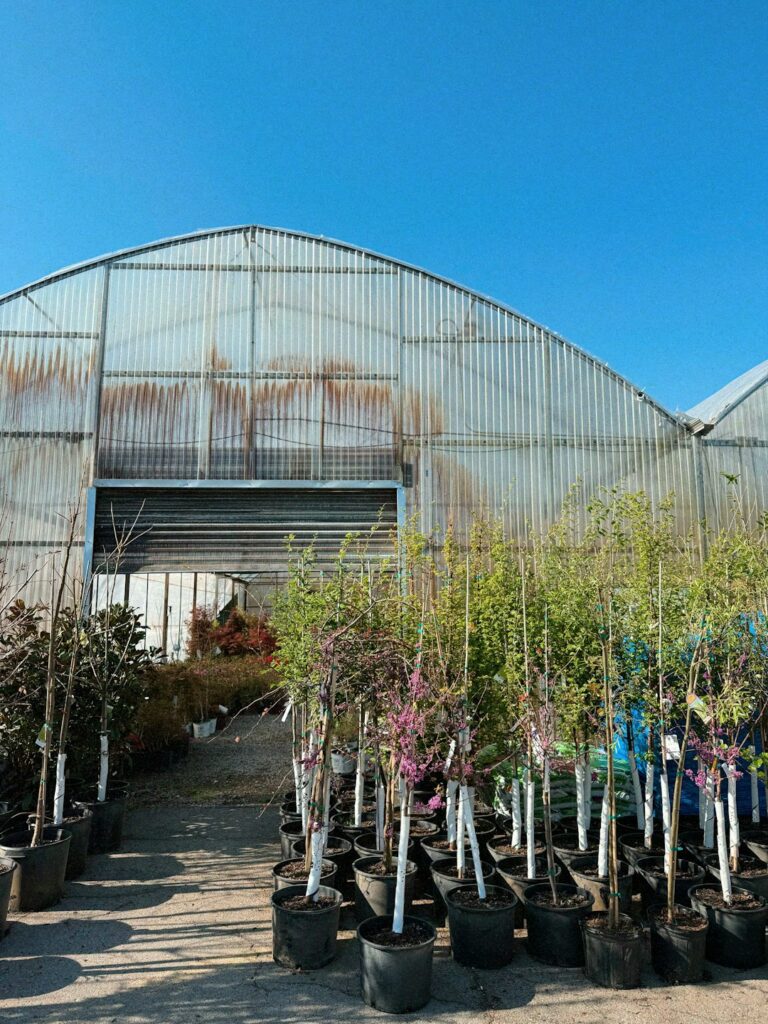
Commercial landscapes serve more than an aesthetic purpose. Healthy trees, shrubs, ornamental grasses, and planted beds help control runoff, define walkways, shade buildings, and create a more orderly setting for employees, visitors, and tenants. In New Castle, DE, effective maintenance must account for hot summers, cold winters, variable precipitation, compacted soil, salt exposure, and the heavy foot and vehicle traffic common around commercial properties.
What should a commercial landscape maintenance plan include?
A reliable plan combines routine observation with seasonal work. Plant care should not be limited to mowing, trimming, or replacing shrubs after they decline.
A complete maintenance program typically includes:
- Irrigation inspection and adjustment
- Soil and mulch management
- Pruning based on plant type and purpose
- Weed, pest, and disease monitoring
- Tree and shrub inspection
- Seasonal planting and replacement
- Storm cleanup and winter preparation
- Protection of drainage areas, sidewalks, and building entrances
The plan should also identify which plants are newly installed, which areas receive full sun or shade, where water collects, and which beds are exposed to deicing salt or reflected heat from pavement.
Written site notes are useful for commercial properties because several people may participate in maintenance throughout the year. A basic record can document irrigation problems, declining plants, pest activity, pruning dates, fertilizer applications, and areas that repeatedly become wet or dry.
How often should commercial plants be inspected?
Most commercial landscapes benefit from regular visual inspections at least once each week during the active growing season. Newly planted areas, irrigation zones, and sites with recent construction may require more frequent checks.
Inspections should look for:
- Wilting, yellowing, leaf spots, or unusual leaf drop
- Broken branches and leaning trees
- Exposed roots or eroded soil
- Mulch touching trunks or buried root flares
- Clogged drains, blocked inlets, or standing water
- Sprinklers spraying pavement or building walls
- Weeds developing seed heads
- Vandalism, vehicle damage, or foot traffic through planting beds
Early detection is especially valuable in commercial settings. A small irrigation leak can waste water and create slippery pavement. A broken branch near a parking area can become a safety concern. A plant disease left unaddressed may spread through a hedge or ornamental bed before symptoms are noticed.
How should commercial landscape plants be watered?
Watering should be based on soil moisture, plant maturity, weather, and exposure rather than a fixed timer alone. Frequent shallow watering can encourage weak root systems, while excessive irrigation may cause root decline, fungal problems, and nutrient loss.
Newly planted shrubs and trees generally need closer monitoring because their roots have not yet spread into surrounding soil. Established plants may need less frequent but deeper watering, especially when soil drains well.
Irrigation checks should confirm that:
- Water reaches the root zone instead of foliage or pavement
- Spray heads are not blocked, tilted, or damaged
- Drip lines have not been displaced by foot traffic or maintenance work
- Water is not pooling against foundations or around tree trunks
- Irrigation schedules are adjusted after substantial rainfall
- Sloped areas receive water slowly enough to prevent runoff
In the summer, commercial sites surrounded by asphalt, concrete, and masonry can dry faster than nearby open ground. Plants near building walls may also receive additional heat from reflected sunlight. These locations often require different irrigation settings from shaded interior beds.
What is the proper way to mulch commercial planting beds?
Mulch helps moderate soil temperature, reduce evaporation, and limit weed growth, but improper application can damage plants. Mulch should be spread in an even layer, generally several inches deep, while leaving space around trunks and stems.
Avoid “volcano” mulch piled tightly against trees. Constant moisture against bark can encourage decay and create shelter for pests. Mulch should also not cover the root flare, which is the widened area where the trunk transitions into the roots.

Before adding new mulch, inspect the existing layer. Repeatedly adding material without checking depth can bury edging, cover drainage structures, and raise soil levels against buildings or sidewalks. In areas prone to erosion, mulch may need to be repositioned after heavy rain.
When should commercial shrubs and trees be pruned?
Pruning should have a clear purpose: removing dead or hazardous wood, improving clearance, correcting structural problems, maintaining visibility, or preserving a plant’s natural form. Shearing every plant into a uniform shape can weaken some shrubs and remove flowers that develop on older wood.
Commercial pruning should maintain clear sightlines near:
- Walkways and entrances
- Parking areas and drive aisles
- Signs and lighting
- Windows and security equipment
- Fire access routes
- Drainage channels and stormwater features
Dead, broken, or crossing branches can be removed whenever necessary, but major structural pruning should be planned according to the plant’s growth pattern and seasonal response. Trees near buildings, overhead utilities, or busy pedestrian areas require additional caution. Hazardous work may require qualified personnel because falling limbs, ladders, and power equipment create risks beyond routine landscape care.
How can commercial landscapes handle Delaware weather?
Seasonal preparation reduces damage and limits emergency repairs. Before winter, inspect trees for weak branches, secure vulnerable plant material, and confirm that drainage systems are open. Snow and ice can weigh down evergreen branches, while freeze-thaw cycles may heave edging, expose roots, and create gaps around newly planted shrubs.
Deicing salt is another concern near parking lots, sidewalks, and building entrances. Salt can injure foliage and roots when splashed by vehicles or carried into beds by melting snow. Salt-tolerant plant selections, proper drainage, physical barriers, and timely flushing with clean water during suitable weather can reduce injury.
During summer heat, check plants near pavement more often than those in protected beds. Newly planted trees and shrubs are particularly vulnerable during extended dry periods, even when older vegetation appears healthy.
What should be done about fertilizer, pests, and plant disease?
Fertilizer should not be applied automatically. A soil test, plant condition, growth history, and site observations provide a better basis for determining whether nutrients are needed. Excess fertilizer can damage roots, stimulate weak growth, and wash into stormwater systems.
Commercial properties should keep clear records of fertilizer and pesticide applications. In Delaware, nutrient and pesticide use may involve certification, recordkeeping, application, and environmental requirements, particularly when materials are applied as part of commercial maintenance.
Integrated pest management is generally more reliable than treating every insect or blemish. It begins with identifying the problem, determining whether it threatens plant health, and considering cultural or mechanical controls before using a pesticide. Helpful steps may include improving airflow, correcting irrigation, removing infected plant material, reducing plant stress, and selecting better-suited replacements.
Which plants are most practical for commercial properties?
Plant selection should reflect the site rather than rely only on appearance. Important factors include mature size, sunlight, soil drainage, salt exposure, drought tolerance, maintenance needs, and clearance from structures.
Commercial landscapes often perform better when they include a balanced mix of trees, shrubs, groundcovers, and herbaceous plants instead of large areas planted with one species. Diversity reduces the chance that a single pest or disease will affect the entire site.
Avoid placing large trees beneath utility lines, aggressive-rooted plants beside narrow pavement, or moisture-sensitive plants in areas that collect runoff. The most attractive plant is not always the most practical choice for a heavily used property.
How should commercial contractors coordinate plant care with other site work?
Landscape maintenance should be coordinated with snow removal, paving, building repairs, utility work, irrigation adjustments, and stormwater inspections. Communication helps prevent avoidable damage such as compacted soil, cut roots, broken branches, or equipment parked in planted beds.
A dependable site routine includes checking the landscape after storms, construction activity, vehicle impacts, and major deliveries. Maintenance records should identify recurring problems rather than simply documenting completed tasks. If the same bed repeatedly loses plants, the underlying issue may be poor drainage, soil compaction, salt exposure, unsuitable plant selection, or irrigation imbalance.
The strongest commercial landscape programs treat plants as part of the property’s infrastructure. Regular inspection, careful water management, appropriate pruning, responsible nutrient use, and timely correction of site problems help planted areas remain safer, healthier, and more functional through the changing seasons.