

 See My Latest Article on HelloNation
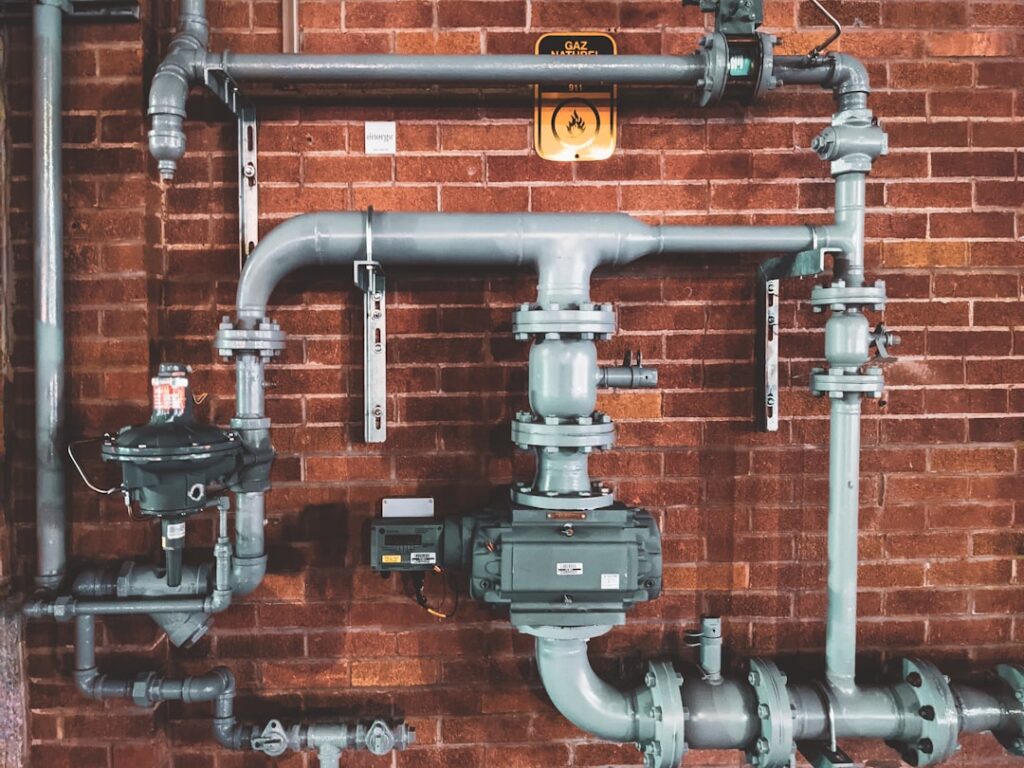
What Plumbing Issues Most Often Affect Commercial Buildings in New Castle, DE?
Leaky fixtures, clogged drains, and inconsistent water pressure are among the most frequent plumbing challenges found in commercial properties across New Castle, DE. The age of many local buildings, the wide variation in tenant use, and seasonal freezing can each contribute to recurring maintenance concerns. Owners and managers often ask which problems to watch for, how to spot early warning signs, and when routine checks make the biggest impact.
Why Do Commercial Clogs and Backups Happen So Frequently?
Commercial restrooms, kitchens, and janitorial sinks experience heavier, more varied use than their residential counterparts. Clogs often result from materials like paper towels, hygiene products, packaging debris, and food waste being flushed or rinsed where the plumbing system isn’t meant to handle them. Even in well-supervised facilities, these issues arise from:
- Multiple users unfamiliar with building rules
- Older pipework or insufficient drain venting
- Weather-related root intrusion in outdoor sewer lines
- Accumulated buildup from grease and soap over time
Because many businesses in the city operate high-traffic hours, slow drainage or minor backups can turn into urgent disruptions quickly.
How Can Businesses Detect Hidden Leaks?
Not all leaks are obvious. In commercial buildings throughout New Castle, invisible leaks can develop behind walls, in ceilings, or below ground before they become visible water damage or mold. Signs of a hidden problem include:
- Unexplained increases in water bills
- The sound of water running when fixtures are off
- Damp spots, discoloration, or musty smells in tiles, drywall, or carpeting
Proactively monitoring for these indicators helps prevent wasted resources and more serious structural repairs. Facilities with older plumbing or history of freezing pipes are particularly at risk.
What Causes Low Water Pressure in Commercial Settings?
Water pressure that’s too low can impact everything from cleaning efficiency to restrooms’ usability. In commercial properties, reduced pressure is commonly linked to:
- Mineral buildup in supply lines, especially in areas with hard water
- Partially closed shut-off or isolation valves
- Leaking pipes reducing system pressure
- Municipal supply fluctuations, sometimes related to city maintenance work or fire hydrant use nearby
Routine checks of pressure-regulating devices and prompt attention to complaints from tenants or staff can help identify the root cause quickly.
Are Frozen Pipes a Real Concern for Local Businesses?
During cold winters, frozen pipes are a concern in both older and some newer buildings in New Castle. Uninsulated plumbing near exterior walls, in unheated storage areas, or under outdoor concrete slabs is susceptible to freezing. If temperatures drop, water inside these pipes can expand and crack the pipe material.
Preventative steps include insulating exposed piping and maintaining a minimum level of heating in vulnerable spaces. Property managers also benefit from knowing where shut-off valves are located to minimize water damage if a pipe does rupture.
How Do Aging Plumbing Systems Play a Role?
Many commercial properties in the city occupy buildings constructed decades ago, with plumbing materials ranging from galvanized steel to cast iron or early plastics. As these materials age, they are prone to:
- Corrosion, leading to leaks or water discoloration
- Joint failures, especially after ground shifts or temperature swings
- Incompatible repairs made over the years complicating new maintenance
Understanding the underlying system and keeping records of past repairs can help anticipate recurring trouble spots.

What Plumbing Issues Are Unique to Multi-Tenant or Large Commercial Buildings?
Shared water and waste systems—typical in offices, shopping centers, and multi-unit commercial complexes—bring unique challenges. Even minor blockages or leaks can affect renters in adjacent suites or different floors. Common concerns include:
- Cross-contamination risks when kitchen and restroom lines share proximity
- Water hammer or pipe noise from uneven fixture use
- Coordinating repairs or upgrades with multiple stakeholders to minimize downtime
Communication and clarity in building policies regarding what should (and should not) go down drains help limit recurring problems.
When Do Local Regulations Impact Plumbing Maintenance?
All commercial properties in New Castle must comply with state and municipal plumbing codes. These regulations exist to protect health, maintain property values, and ensure the reliability of essential infrastructure. Examples of regulated requirements include:
- Backflow prevention devices in certain locations
- Regular inspection of fire suppression (sprinkler) system piping
- Timely repair of leaks to prevent waste or property damage
Awareness of inspection schedules or mandated upgrades is important—especially during ownership changes or tenant fit-outs.
What Preventative Practices Help Reduce Plumbing Disruptions?
Establishing simple, regular routines can prevent many of the costliest and most disruptive plumbing problems. Recommended steps include:
- Scheduling periodic drain cleaning and pipe inspections, particularly for buildings with heavy restroom, food service, or laundry use
- Keeping accessible, well-marked shut-off valves
- Posting clear signage about acceptable materials for sinks and toilets
- Training staff or tenants what to do in the event of floods or sudden leaks
Consistent preventative care supports smoother business operations and prolongs the useful life of building plumbing.