

 See My Latest Article on HelloNation
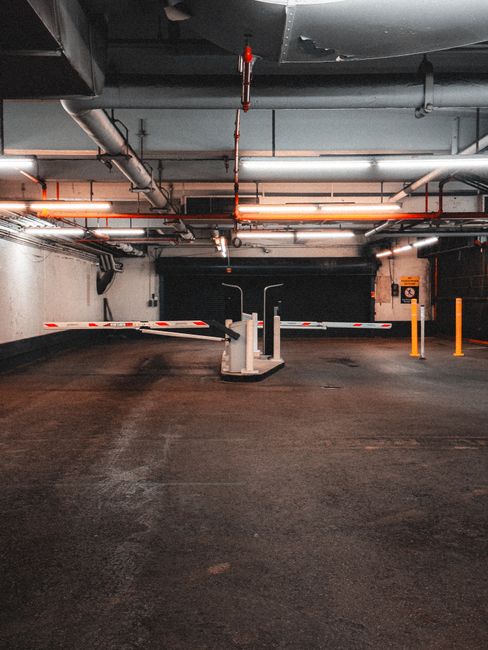
A commercial property’s exterior affects how customers, tenants, employees, and visitors judge the site before they enter. Good curb appeal is not limited to decorative landscaping. It includes clean walking surfaces, readable signs, functioning lighting, maintained parking areas, orderly service zones, and exterior features that appear safe and cared for.
For commercial properties in New Castle, DE, maintenance planning should account for seasonal weather, freeze-thaw cycles, summer heat, wind, rain, and the wear created by frequent vehicle and foot traffic.
What does curb appeal include for a commercial property?
Curb appeal includes every visible feature that shapes the first impression of a property from the street, parking area, or main entrance. The most noticeable elements are often practical rather than decorative.
Key components include:
- Building entrances and doors
- Sidewalks, curbs, ramps, and stairs
- Parking lots and marked spaces
- Landscaping, trees, planting beds, and lawn areas
- Exterior lighting
- Signs, address numbers, and directional markers
- Trash and recycling enclosures
- Loading areas and utility equipment
- Fences, walls, railings, and site furnishings
A property can have attractive landscaping and still appear neglected if the entrance is dirty, pavement is damaged, signs are faded, or trash containers are visible from the public sidewalk. Curb appeal works best as a coordinated maintenance system rather than a collection of isolated improvements.
Which improvements usually make the biggest visual difference?
The most effective improvements are usually the ones visitors notice first and use most often: entrances, pedestrian routes, parking areas, and signs.
Start with the main approach to the building. Remove litter, leaves, weeds, and accumulated dirt from sidewalks and entry pads. Clean door glass and frames, check that door hardware works properly, and replace damaged mats or worn threshold materials. A clean, unobstructed entrance often improves the appearance of a property more than adding new decorative features.
Parking areas also deserve close attention. Repainted lines can make a lot look more orderly, especially when spaces, accessible routes, fire lanes, loading areas, and traffic arrows have become difficult to see. Pavement repairs should address trip hazards, standing-water areas, broken curbs, and deteriorated wheel stops.
Signs should be easy to read from the appropriate distance. Remove obsolete notices, straighten leaning posts, and replace panels that are cracked, heavily faded, or covered with grime. Too many signs can create visual clutter, so each sign should have a clear purpose.
How should landscaping be maintained around commercial buildings?
Commercial landscaping should frame the property without blocking visibility, damaging pavement, or creating difficult maintenance conditions. The goal is a clean and intentional appearance throughout the year.
Planting beds should have defined edges, healthy plants, and mulch or another suitable ground cover that is not spilling onto sidewalks. Overgrown shrubs can hide windows, signs, lighting, or security features. Tree branches should be managed so they do not interfere with vehicles, pedestrians, roof drainage, or building signs.
Seasonal maintenance is particularly relevant in this region. Spring cleanup may involve removing winter debris, repairing displaced edging, correcting bare areas, and checking for salt-related damage. During summer, irrigation problems and stressed plantings can make a property look neglected quickly. Autumn maintenance should address leaves in drains, walkways, and planting beds. Winter planning should leave enough room for snow storage without blocking entrances, accessible routes, sightlines, or drainage structures.
Landscaping should also be evaluated for maintenance efficiency. Plants that repeatedly outgrow their locations, shed heavily onto walkways, or require frequent replacement may be poor choices for a high-traffic commercial site.
What exterior maintenance problems reduce curb appeal?
Several small problems can create a disproportionately poor impression because they signal that routine inspections are not taking place.
Common examples include:
- Peeling paint on doors, railings, or trim
- Rusted fasteners, fences, or light poles
- Cracked sidewalks and uneven pavement
- Weeds growing through pavement joints
- Dirty windows or stained masonry
- Missing or damaged trash enclosure panels
- Faded parking lines
- Broken light fixtures
- Leaning signs or loose address numbers
- Standing water near entrances
- Exposed cords, hoses, or temporary materials
Not every defect requires immediate replacement. Cleaning, tightening, repainting, sealing, or repositioning may restore a feature at lower cost. However, repairs should not conceal structural, electrical, drainage, or accessibility problems that require a more complete evaluation.
How does lighting affect a property’s appearance?
Exterior lighting affects both daytime appearance and nighttime usability. A well-maintained lighting system makes entrances, walkways, parking areas, signs, and building numbers easier to identify.
Routine inspections should check for burned-out lamps, broken lenses, water inside fixtures, exposed wiring, loose poles, and vegetation blocking light. Lighting should be directed where it is needed without creating excessive glare for drivers, neighboring properties, or pedestrians.
The appearance of the equipment matters as well. Rusted poles, crooked fixtures, and mismatched replacements can make a property look poorly maintained even when the site is adequately illuminated. Any electrical repair or work involving elevated equipment should be handled with appropriate safety controls and qualified personnel.
How can maintenance improve curb appeal without major renovation?
A property does not always need a redesign to look better. Consistent attention to high-visibility areas can produce noticeable results.
A practical maintenance sequence may include:
1. Inspect the property from the street, parking lot, and main pedestrian approach.
2. Photograph conditions that need repair or cleaning.
3. Address safety hazards and blocked routes first.
4. Clean entrances, signs, windows, sidewalks, and visible site fixtures.
5. Correct pavement, drainage, lighting, and landscape problems.
6. Remove obsolete materials, temporary signs, and unnecessary clutter.
7. Reinspect the property during both daylight and evening hours.
This approach helps separate cosmetic work from repairs that affect access, safety, drainage, or building performance. It also prevents maintenance crews from focusing only on areas immediately beside the building while overlooking the public-facing perimeter.
How often should commercial properties be inspected?
Inspection frequency should reflect traffic, property size, weather exposure, and the type of business operating on the site. High-traffic properties may need frequent visual checks for litter, overflowing containers, damaged pavement, and lighting failures. Detailed inspections can be scheduled seasonally and after major storms, snow events, construction activity, or heavy deliveries.
A useful inspection record should identify:
- The location of each issue
- The condition observed
- The safety or appearance impact
- The recommended repair
- The responsible maintenance category
- The target completion date
- Whether the repair was completed and verified
Documentation helps identify recurring problems. For example, repeated puddling may indicate a drainage issue rather than a need for more frequent sweeping. Persistent landscape damage near a driveway may point to vehicle movement, poor visibility, or an unsuitable planting layout.
What should commercial property owners avoid?
Curb appeal can decline when improvements are made without considering the entire site. Common mistakes include adding plantings that block signs, applying dark coatings that make pavement markings harder to see, placing decorative objects in pedestrian paths, or using mulch and soil that wash onto sidewalks after storms.
Another mistake is treating cleanliness as a substitute for repair. Pressure washing may improve stained concrete temporarily, but it will not correct settlement, broken pavement, poor drainage, or loose railings. Similarly, repainting a damaged surface without addressing moisture or corrosion can shorten the life of the repair.
The strongest results come from combining routine cleaning with planned inspections, timely repairs, suitable landscaping, and consistent attention to entrances and pedestrian routes. For commercial properties serving the local community, a well-maintained exterior communicates order, accessibility, and respect for the people who use the site.