

 See My Latest Article on HelloNation
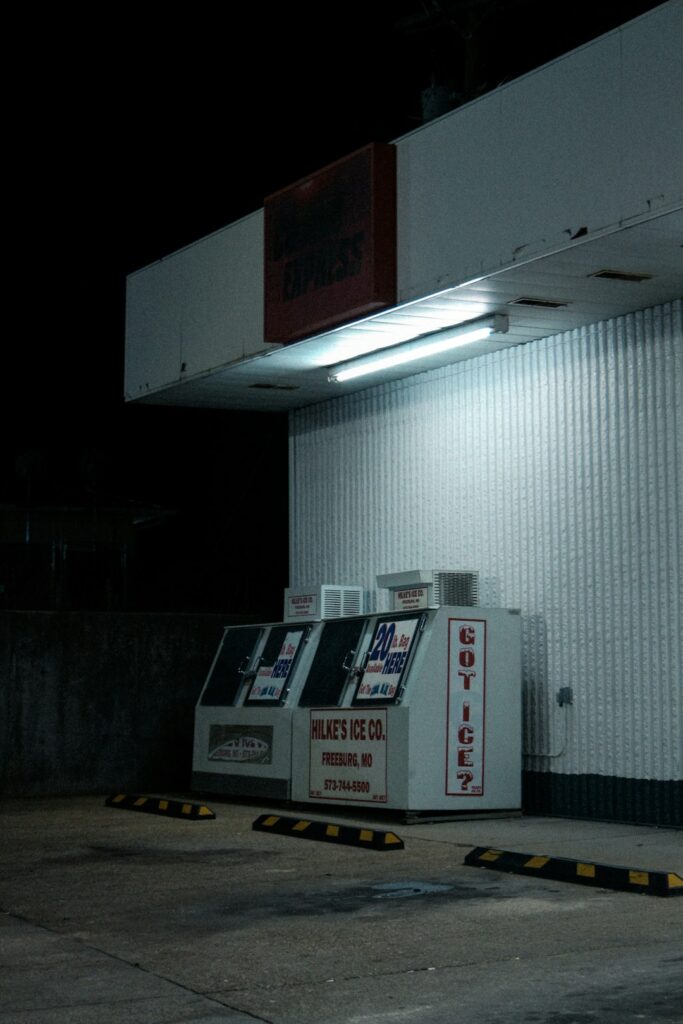
Outdoor lighting affects more than nighttime visibility. For commercial properties, it also influences energy use, pavement safety, tenant comfort, security, curb appeal, and the amount of routine maintenance required. The most cost-effective upgrades usually come from improving the existing lighting system rather than replacing every fixture at once.
For property owners and managers in New Castle, DE, a practical lighting plan should account for wet weather, winter freezing, salt exposure, aging electrical components, and the different needs of parking areas, walkways, entrances, loading zones, and service areas.
Which outdoor lighting upgrades provide the fastest savings?
The quickest savings often come from replacing inefficient lamps, correcting operating schedules, and cleaning or repairing fixtures before adding new equipment.
A useful first step is a nighttime inspection. Walk the property after dark and note areas that are overly bright, poorly lit, flickering, blocked by vegetation, or illuminated when no one is present. Compare those observations with utility bills, maintenance records, and complaints from tenants or occupants.
Prioritize improvements that address both energy use and recurring service calls:
- Replace failed or inefficient lamps with compatible LED equipment.
- Repair damaged photocells, timers, wiring, and fixture covers.
- Remove dirt, insects, oxidation, and salt residue from lenses and housings.
- Adjust fixtures that shine into windows, neighboring properties, or drivers’ eyes.
- Turn off decorative or nonessential lighting during low-occupancy hours.
- Replace several identical failing fixtures during one maintenance visit.
A fixture that is already damaged or difficult to service may cost more to maintain than its energy use justifies. In that situation, replacement can be more economical than repeated repairs.
Is converting commercial outdoor lighting to LED worth it?
LED conversion is often worthwhile because LEDs use less electricity, last longer than many older lamp types, and can provide more consistent illumination. The financial benefit depends on operating hours, wattage, utility rates, fixture condition, and whether the existing housing can be retrofitted.
A basic comparison should include:
- Existing wattage and replacement wattage
- Average hours of operation each night
- Number of fixtures
- Lamp and ballast replacement history
- Access equipment needed for maintenance
- Expected service life
- Disposal and installation costs
Replacing a 250-watt legacy fixture with a properly designed lower-wattage LED does not automatically mean the area will be adequately lit. The light distribution pattern matters as much as the wattage. A fixture that sends light in the wrong direction may create dark pavement areas while wasting light beyond the property.
For commercial sites, LED upgrades should be evaluated by illumination quality, glare control, color consistency, and serviceability—not simply by the lowest wattage listed on a product label.
Can better controls reduce lighting costs without reducing safety?
Yes. Controls can lower operating hours while preserving lighting where people actually need it.
Photocells are useful for turning lights on at dusk and off at dawn, but they should be positioned and maintained carefully. Dirt, nearby wall lighting, or direct exposure to another fixture can cause incorrect operation. Time clocks may work well for predictable schedules, but seasonal daylight changes require regular adjustment unless the control includes an automatic calendar function.
Motion sensors can be effective for:
- Sidewalks with intermittent foot traffic
- Employee entrances
- Storage and service areas
- Rear loading zones
- Trash and recycling enclosures
- Low-use parking sections
A sensor should not switch lights off so quickly that people are left in darkness. Gradual dimming or a low-level standby setting may work better than complete shutoff. High-traffic entrances and vehicle circulation lanes generally need more predictable lighting than seldom-used service areas.
Controls should also be labeled clearly. During property maintenance, unclear settings can lead to unnecessary overrides and lights operating continuously.
How can parking lot lighting be improved without installing more poles?
Better distribution is often more effective than adding fixtures. A parking lot may appear underlit because existing poles are aimed poorly, lenses are dirty, tree branches block the light, or fixtures create bright spots surrounded by dark areas.
Review the following conditions:
- Are light heads tilted away from the pavement?
- Are tree limbs blocking the lower portion of the fixture?
- Are poles leaning or damaged?
- Do neighboring fixtures overlap sufficiently?
- Are pedestrian routes darker than vehicle lanes?
- Does glare make it harder to see people or moving vehicles?

Aiming and cleaning may solve part of the problem at little cost. Pruning vegetation around fixtures can also improve performance, although branches should not be removed in a way that harms established trees or creates a hazard.
Uniformity matters because alternating bright and dark zones can reduce visibility even when average light levels appear adequate. In parking areas, a modest improvement in consistency may be more useful than simply increasing brightness.
What lighting choices reduce maintenance in local weather?
Fixtures should be selected and maintained with exposure in mind. New Castle experiences humid summers, rain, freezing temperatures, wind, and occasional snow. Outdoor equipment must also withstand moisture, dirt, insects, and deicing materials used around parking areas and walkways.
Durable upgrades typically include:
- Weather-resistant housings with secure gaskets
- Corrosion-resistant hardware
- Sealed electrical connections
- Lenses that resist yellowing and cracking
- Mounting arms that do not collect standing water
- Fixtures designed for the actual outdoor location
Ground-level fixtures and bollards are especially vulnerable to snow clearing, carts, landscaping equipment, and water accumulation. Their placement should leave enough clearance for routine pavement maintenance and prevent damage from vehicles.
Routine inspections before winter and after severe weather can identify loose covers, exposed conductors, water intrusion, and unstable poles before those conditions become expensive failures.
How can a commercial property reduce glare and light trespass?
More light is not always safer or more effective. Glare can reduce visibility for drivers and pedestrians, while light trespass can disturb nearby occupants and create complaints.
Cutoff or shielded fixtures direct light downward instead of allowing it to spread above the intended area. This is particularly useful near property lines, residential uses, roadways, and building windows. Sign lighting and wall-mounted fixtures should also be aimed carefully rather than pointed outward across the site.
In New Castle, exterior lighting plans and substantial modifications may be subject to local development requirements. Commercial property managers should verify current rules before changing pole heights, adding fixtures, modifying parking lot illumination, or substantially altering an existing system. Electrical work may also require appropriate permits and inspection.
Should a property upgrade all outdoor lighting at once?
Usually, a phased plan is more financially manageable. Begin with areas that have the highest operating hours, the most frequent failures, or the greatest safety concern.
A practical sequence may be:
1. Audit fixture condition, operating schedules, and dark areas.
2. Correct damaged wiring, controls, lenses, and mounting hardware.
3. Convert the most heavily used fixtures to efficient LED equipment.
4. Improve lighting near entrances, walkways, and loading areas.
5. Add sensors or dimming where occupancy patterns support them.
6. Reassess utility use and maintenance calls before expanding the program.
Keeping a simple fixture inventory makes future budgeting easier. Record each fixture’s location, lamp type, wattage, control method, installation date, and known problems. This prevents unnecessary emergency replacements and helps coordinate work with other exterior maintenance, such as paving, landscaping, snow preparation, and building repairs.
A cost-effective lighting upgrade is rarely the brightest option. It is the system that places usable light where it is needed, limits waste, operates only during appropriate hours, and remains dependable through the conditions commercial properties experience throughout the year.