

 See My Latest Article on HelloNation
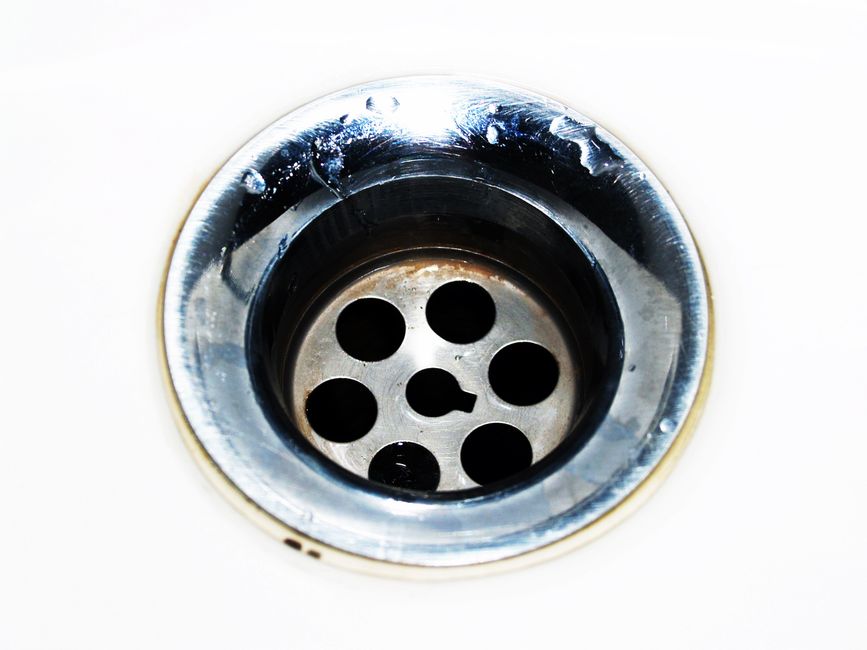
What Causes Household Drains to Clog in New Castle, DE?
Most common drain clogs in New Castle originate from everyday household activities. Residents often encounter slow or blocked drains due to buildups of hair, soap scum, cooking grease, food scraps, or even mineral deposits in local water. The city’s seasonal leaf fall and local tree root intrusion are unique factors that can impact outdoor or basement drains, especially in older neighborhoods. Understanding these causes can help local homeowners target solutions more effectively.
Can Residents Clean Drains Without Chemicals?
Yes, mechanical and natural methods are usually the safest first steps for area households. Many commercial drain cleaners are harsh on older home plumbing, which is common in New Castle. Instead, consider:
- Boiling water: Pour slowly down the drain in stages, allowing it to work through debris.
- Plunger: A simple plunger can often dislodge minor sink or shower blockages. Ensure a tight seal and steady plunging action.
- Baking soda and vinegar: Add a cup of baking soda followed by a cup of vinegar. Cover the drain, let it fizz for 10–20 minutes, then flush with hot water. This method is suitable for minor buildups and routine maintenance.
These solutions are gentler on pipes and safe for the environment.
How Can I Use Drain Snakes and Tools Safely?
Manual drain snakes or augers are effective for stubborn clogs within arm’s reach of the drain opening. For most New Castle homes, a simple handheld snake is adequate for sinks, tubs, or shower drains:
- Insert the snake slowly into the drain until resistance is felt.
- Twist gently to snag hair or debris—avoid forcing the tool, as older pipes can be fragile.
- Withdraw the snake carefully, cleaning off any trapped material before repeating if needed.
Always wear gloves and eye protection. If the snake does not reach the clog, or if resistance is intense, do not force the tool deeper.
What Should Homeowners Avoid When Cleaning Drains?
Some drain-cleaning approaches can cause more harm than good in local housing:
- Avoid mixing chemical cleaners, which could release dangerous fumes or damage pipes.
- Never use coat hangers or makeshift wire tools, as they can scratch or pierce plumbing.
- For toilets, avoid excessive plunging force, which can dislodge wax seals and cause leaks.
If water is backing up from more than one fixture or there is sewage odor indoors, these are signs of a main line issue that is not suited to DIY approaches.
How Can Preventive Habits Reduce Future Clogs?
Consistent preventive care greatly reduces the chance of clogged drains in area homes, especially during the rainy season or after autumn leaf fall:
- Use mesh sink strainers to catch debris and hair.
- Regularly flush drains with hot water or the baking soda and vinegar method.
- Properly dispose of grease and food scraps in trash, not down the kitchen sink.
- Sweep and remove leaves from outdoor drains, especially after storms or windy days.
- Trim trees and shrubs near underground plumbing lines to minimize root intrusion.
These simple habits support drainage for both historic homes and newer developments in the city.
When Are Tough Clogs a Safety Issue?
If a clog is persistent, foul-smelling, or causing water to back up in multiple locations, this can signal a larger blockage in the main drain line or a potential sewer problem. In New Castle, this sometimes results from mature tree roots or shifting ground affecting older infrastructure. If standing water remains after safe DIY attempts, or there’s any sign of electrical fixtures getting wet, stop work immediately for safety reasons.
Do Local Regulations Affect What Drains Can Be Cleaned DIY?
New Castle residents are generally free to perform minor drain maintenance within their own homes. However, for multifamily buildings or properties within historic districts, routine plumbing work may be subject to community rules or homeowner association guidelines—particularly if changes or repairs affect shared lines or external pipes. Always check with relevant property rules before making modifications to plumbing infrastructure.
What Local Seasonal and Housing Factors Affect Drain Maintenance?
Area households face unique seasonal challenges. For example, fall brings increased risk of exterior drain blockages from leaves, while spring rain or snowmelt can sometimes overwhelm old drainage systems and expose slow-building clogs. Many homes in historic districts feature older pipes that are more vulnerable to damage from aggressive cleaning tools or chemicals, so gentle cleaning methods and regular monitoring are especially valuable in these properties.
Staying attentive to changes in water flow, odors, or gurgling sounds from drains can help local residents prevent larger issues before they develop.