
 See My Latest Article on HelloNation
What Are the Most Common Plumbing Issues in Local Homes?
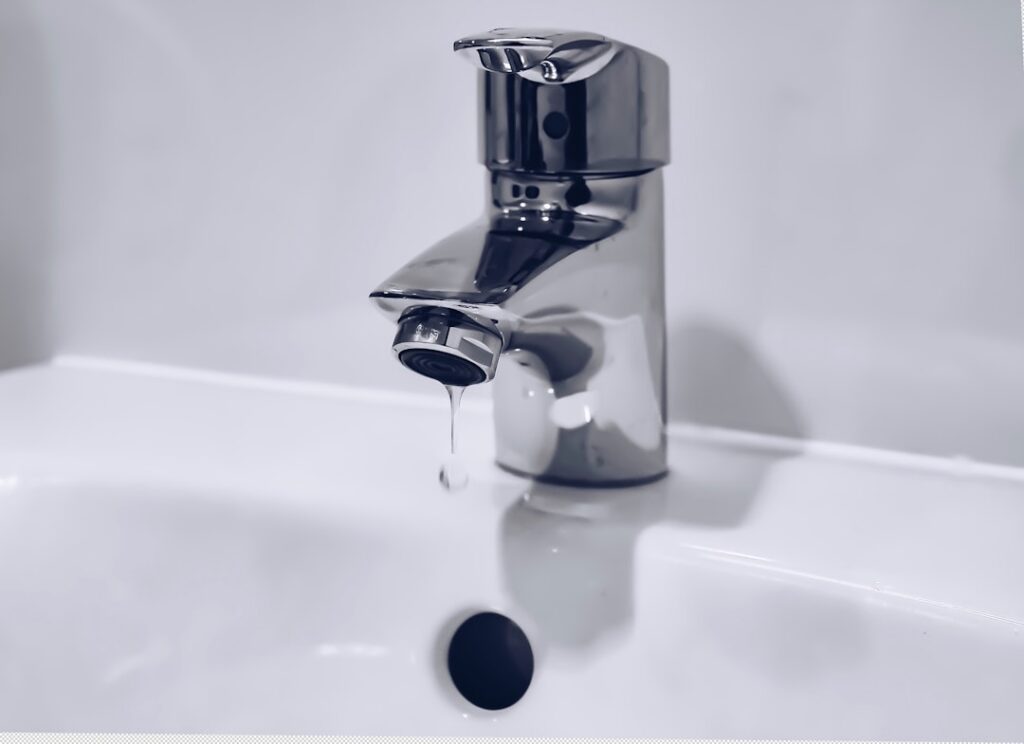
Leaky faucets, clogged drains, and running toilets are the plumbing problems many homeowners encounter frequently. These issues, often viewed as minor annoyances, can lead to wasted water and unexpected repair bills if ignored. In an area like New Castle, DE, where weather and older housing stock factor in, residents see some patterns worth addressing early.
Why Does Water Pressure Drop Unexpectedly?
Sudden or gradual decreases in water pressure are often caused by mineral build-up, aging pipes, or unnoticed leaks in household plumbing. In New Castle, many neighborhoods have homes built before modern piping standards, making older galvanized pipes especially susceptible.
- Mineral deposits from hard water can constrict pipe diameters.
- Leaky pipes in basements or crawlspaces may go unnoticed for weeks, causing pressure drops.
- Municipal repairs or maintenance sometimes create short-term shifts in pressure.
Checking faucet aerators and visible pipes can rule out simple causes. If pressure only runs low on certain fixtures, the issue may be isolated.
What Triggers Drain Clogs, and How Can They Be Prevented?
Kitchen sinks, bathroom drains, and toilets are most vulnerable to clogs due to regular daily use and what gets washed down them. The biggest contributors are:
- Cooking grease solidifying in pipes
- Hair and soap residue in showers and bathroom sinks
- Flushing wipes or items not meant for toilets
Many households rely on chemical drain cleaners, but repeated use can damage older pipes common in the area’s historic housing stock. Manual removal, drain screens, and mindful disposal of grease and wipes can prevent recurring problems.
Are Pipe Freezes a Real Concern in Winter?
Yes. Freezing temperatures in the New Castle area can cause pipes—especially those running through exterior walls, unheated basements, or crawlspaces—to freeze and potentially burst. Even newer homes are at risk if there’s insufficient insulation or outdoor spigots aren’t winterized.
Burst pipes release significant water, sometimes flooding basements or damaging finished spaces. Preventative steps include insulating vulnerable pipes, draining outdoor plumbing lines, and keeping indoor temperatures above freezing, even in rarely used areas.
How Can Homeowners Spot Hidden Plumbing Leaks?
Some leaks are obvious—a pooling puddle, dripping fixtures—but many build up slowly behind walls, in ceilings, or under appliances. Signs of unseen leaks include:
- Unexpectedly high water bills
- Mold or mildew odors
- Stained drywall or warped flooring
Local climate, with seasonal humidity swings, means not all moisture signs are due to plumbing, but persistent issues should always be investigated. Checking water meter readings when no fixtures are running can also help determine if there’s a hidden leak somewhere in the system.
What Causes Persistent Toilet Issues?
Running or “ghost-flushing” toilets often result from worn flapper valves or misaligned fill mechanisms. “Weak” flushes or frequent backups may trace to partial clogs further down the waste line or problems with the vent stack, a feature sometimes flawed or outdated in older properties throughout New Castle.

Local water quality—generally hard—can also leave mineral deposits, affecting both flushing and tank refilling efficiency. Simple repairs like replacing flappers or cleaning the tank can resolve many issues. If toilets clog often, it’s smart to avoid using harsh tools or drain chemicals, as these can damage pipes or fixtures.
Why Does the Water Smell or Look Off?
Tap water in New Castle is supplied by regional utilities, but household plumbing still impacts taste, odor, or discoloration. Common causes of unpleasant water smell or appearance include:
- Old pipes releasing rust, causing brownish or orange tints
- Bacteria growth in seldom-used taps, especially after vacations
- Sulfur odors from hot water tanks as magnesium anodes corrode
Running cold water for a few minutes or flushing stagnant lines can quickly clear minor issues. If discoloration persists, checking with a local utility or reviewing pipe age and material might provide answers.
How Do Area Conditions Affect Plumbing Longevity?
Frequent freeze-thaw cycles, high humidity in summer, and older construction methods all contribute to unique plumbing challenges in New Castle. In neighborhoods with mature trees, invasive roots may find their way into buried sewer or water lines. Heavy rains, which aren’t uncommon locally, sometimes overwhelm aging infrastructure, causing slow drains or occasional backups.
Homeowners who know their property’s age, pipe material, and insulation status are often better equipped to address emerging problems before they worsen.
When Should Safety Come First?
While many minor repairs can be managed safely, specific situations call for extra caution:
- Suspected sewer or gas line problems
- Water leaks near electrical wiring or panels
- Repeated flooding or drainage failures
In these cases, pausing to assess and turning off affected utilities is the best immediate step.